
Mobile website optimization is no longer optional. With more than half of global web traffic coming from smartphones, businesses must ensure their websites are fast, responsive, and easy to use on smaller screens.
Think about your own behavior for a second. When was the last time you searched for a service, product, or information using a desktop first? Chances are, you reached for your phone. A well-planned mobile website optimization strategy ensures your site performs smoothly across all devices while keeping users engaged.
This shift in behavior has completely changed how websites need to be built and optimized. Users today expect instant loading, smooth navigation, and a frustration-free experience. If your website fails to deliver that, they won’t complain. They’ll leave.
Why Mobile Optimization Matters More Than Ever
Mobile usage has grown rapidly over the past decade, and it continues to dominate internet traffic. This means your website is no longer judged by how it looks on a desktop. It is judged by how it performs on a mobile device.
Search engines like Google, Bing, Yahoo! Search, DuckDuckGo now use mobile-first indexing. This means they primarily evaluate the mobile version of your site when deciding rankings.
In simple terms, if your mobile experience is poor, your SEO performance will suffer, no matter how good your desktop version looks.
Mobile optimization also affects user trust. A slow or broken website gives the impression that your business is outdated or unreliable. First impressions matter, and in most cases, your website is the first interaction a user has with your brand.
Common Mobile Experience Problems
Many websites claim to be “responsive,” but in reality, they only shrink the desktop layout instead of properly adapting to mobile users.
Here are some common issues that frustrate users:
- Text that is too small to read without zooming
- Buttons that are too close together or hard to tap
- Slow loading pages due to heavy images or scripts
- Layouts that break or look cluttered on smaller screens
- Popups that cover the entire screen and are difficult to close
These issues clearly show why mobile website optimization is essential for delivering a smooth user experience. These problems might seem minor, but they significantly impact user behavior. Most users will leave within seconds if they feel uncomfortable navigating your site.
The Real Business Impact of Poor Mobile Performance
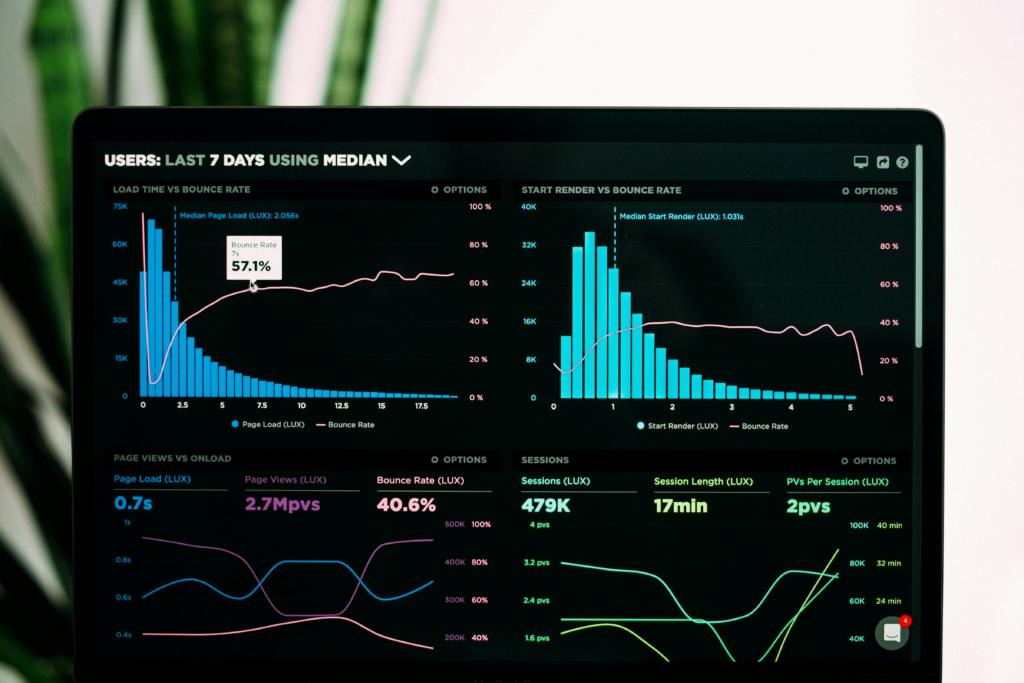
A poorly optimized mobile website does not just affect user experience. It directly affects your business performance.
Studies have shown that even a one-second delay in page load time can reduce conversions. Users expect speed, and when they don’t get it, they move on.
According to Core Web Vitals, performance metrics such as loading speed, interactivity, and visual stability play a key role in both user experience and search rankings.
If your website is slow or difficult to use, you are not just losing traffic. You are losing potential customers, leads, and revenue.
What a Good Mobile Experience Looks Like
A well-optimized mobile website feels simple and effortless. Users should not have to think about how to use your site. Everything should feel natural.
- Pages load quickly, ideally within 2–3 seconds
- Text is clear and readable without zooming
- Navigation is simple and easy to understand
- Buttons are large enough for comfortable tapping
- Content is structured for vertical scrolling
When users have a smooth experience, they are more likely to stay longer, explore your services, and take action.
Key Elements of Mobile Website Optimization
To achieve effective results, mobile website optimization should focus on speed, usability, and performance. Improving mobile performance is not about a single fix. It involves multiple factors working together.
1. Speed Optimization
Speed is one of the most critical aspects. Compress images, use modern formats like WebP, and reduce unnecessary scripts. Studies show that users are more likely to leave a website if it takes longer than 3 seconds to load on mobile devices.
2. Responsive and Mobile-First Design
Instead of adapting a desktop layout, design your website with mobile users in mind first. This approach ensures a better experience across all devices.
3. Clean and Simple Navigation
A complicated menu can confuse users. Keep your navigation minimal and easy to access.
4. Optimized Media
Large images and videos can slow down your website. Optimize them properly without compromising quality.
5. Performance Testing
Regularly test your website using tools like PageSpeed Insights to identify and fix performance issues.
Mobile Optimization and SEO
Mobile optimization plays a major role in search engine rankings. With mobile-first indexing, Google primarily uses your mobile site to determine how your pages rank.
This means that improving your mobile experience can directly boost your visibility in search results. Faster loading speeds, better usability, and optimized content all contribute to stronger SEO performance.
If your website is slow or not optimized for mobile, you are already losing potential customers. Green Life IT builds fast, responsive websites designed to improve user experience and increase conversions.
Internal Optimization Matters Too
Mobile optimization is not just about design and speed. It also includes how your content is structured.
Using proper headings, readable paragraphs, and internal links improves both user experience and SEO.
If you are looking for professional help, explore our web development services to build a fast and responsive website tailored to your business needs.

Mobile Website Optimization Checklist
- Ensure fast loading speed (under 3 seconds)
- Use responsive and mobile-first design
- Optimize images and media files
- Improve navigation and usability
- Test performance regularly
Following this checklist can significantly improve your website’s performance and user engagement.
Final Thoughts
Mobile traffic is not the future anymore. It is the present. Your users are already on mobile devices, and your website needs to meet them there.
If your site is slow, difficult to navigate, or poorly optimized, you are losing opportunities every single day. Ignoring mobile website optimization today means falling behind competitors who are already delivering better mobile experiences. Investing in better mobile performance is not just a technical improvement. It is a smart business decision that leads to better engagement, higher conversions, and long-term growth.
The next time you review your website, don’t just open it on your laptop. Open it on your phone. That is where your customers are.